Mattress pads serve as a protective layer between the mattress and bedding, helping to extend mattress life by preventing stains, spills, and wear. They also provide a subtle cushion that can enhance sleep comfort without significantly altering the surface feel. Common materials include cotton, bamboo, and waterproof blends designed for durability and ease of care.
In this category, emphasis is placed on breathable, moisture-wicking designs that maintain comfort across varying climates. Many mattress pads incorporate fabric linings and waterproof membranes to guard against accidents while preserving a soft, non-irritating surface. Proper selection considers allergies, sensitivity, and preferred surface texture for optimal nightly rest.
Key features to evaluate include fabric composition, fill type, thickness, and whether the pad is designed for crib or adult mattresses. For example, organic crib mattress pads prioritize non-toxic materials and gentle padding suitable for infants. Understanding these characteristics helps align a pad with safety standards and user needs in bedding systems.
Functional benefits of mattress pads extend to hygiene, temperature regulation, and reduced maintenance. A high-quality pad can simplify cleaning routines, protect underlying mattresses from moisture, and contribute to a cleaner sleep environment. Users often seek hypoallergenic options and pads with easy-care fabrics for busy households.
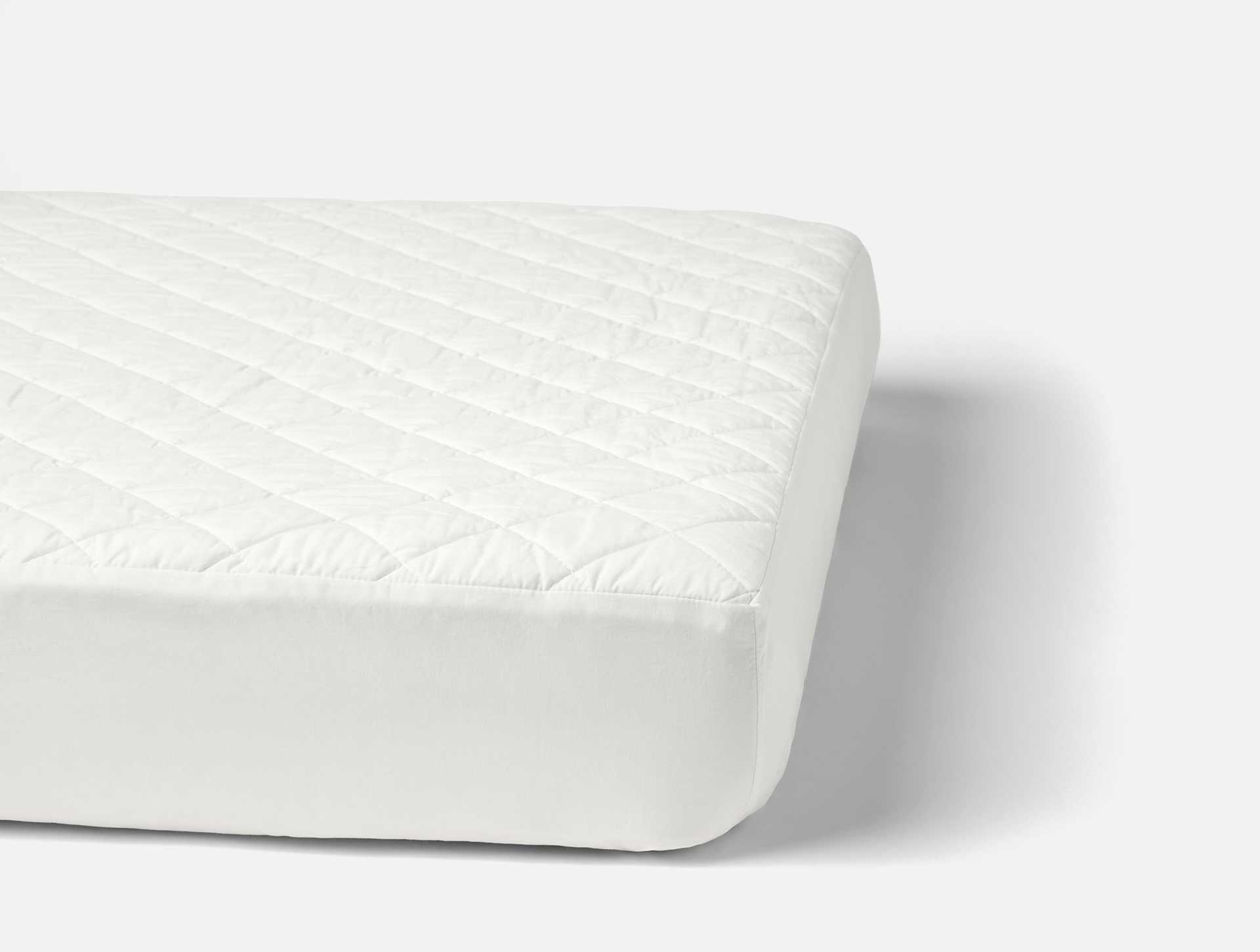
Among relevant products, the Organic Crib Mattress Pad exemplifies materials and design choices that support infant comfort and safety. Its features typically include organic cotton tops, breathable waterproofing, and a soft, breathable barrier. This pad highlights how bedding components can address both comfort and protection in everyday sleep settings.
 Bedding