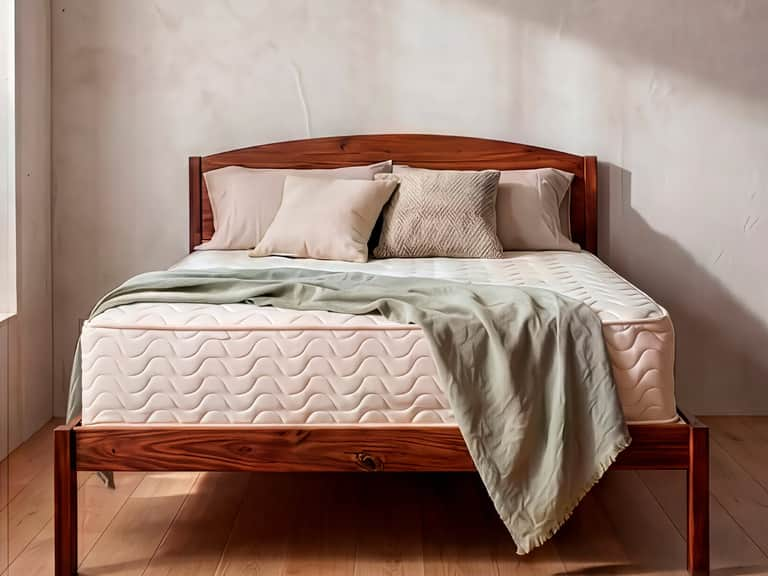
Hybrid mattresses merge the support of innerspring coils with comfortable foam or latex layers to create a balanced sleeping surface. This combination aims to provide durable edge support, responsive feel, and pressure relief across different sleeping positions. In hybrid designs, coil counts and material densities influence temperature regulation and overall resilience over time.
In the context of organic and eco-conscious options, hybrid models often integrate natural or certified materials alongside traditional foams. Features to note include individually wrapped coils for minimal motion transfer, breathable covers, and certifications that reflect low chemical emissions. Understanding these elements helps consumers compare comfort, durability, and environmental impact.
The Naturepedic Azure Hybrid Organic Mattress exemplifies a hybrid approach with organic components and thoughtfully selected support layers. It typically combines a coil-based core with plush, breathable comfort layers, aiming to deliver consistent spinal alignment and temperature neutrality while minimizing exposure to synthetic additives.
Key benefits of hybrid mattresses include precise contouring with a put-you-to-sleep feel and robust durability from steel springs. Users may experience improved airflow, reduced partner disturbance, and steady support across different body weights. For families seeking safe options, organic and baby-friendly variants address allergen concerns and material sensitivity.
When evaluating hybrid mattresses within bedding ecosystems, consider compatibility with foundations, bed frames, and toppers such as sheets and pillow arrangements. Materials like organic cotton or wool blends can enhance moisture management and comfort. This category emphasizes performance characteristics, resilience, and the role of certifications in guiding informed choices for healthier sleep environments.
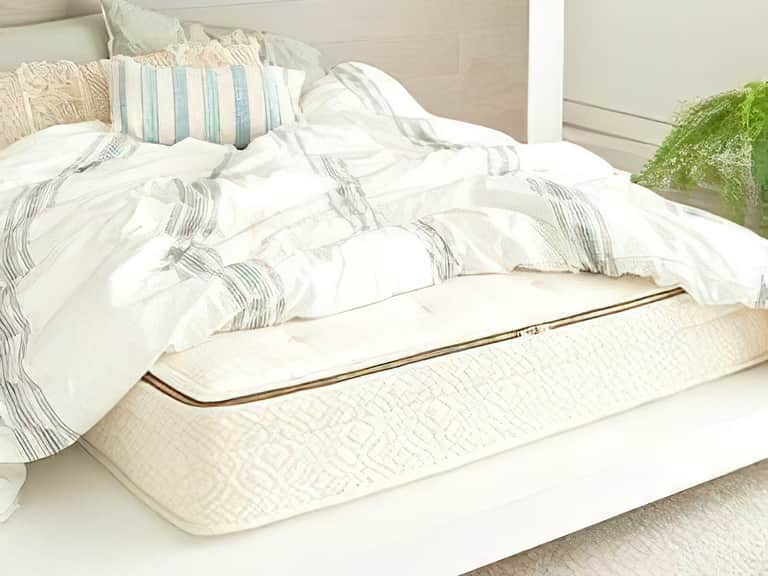 Mattresses